Why Changing Worn Pads Protects You and Your Car
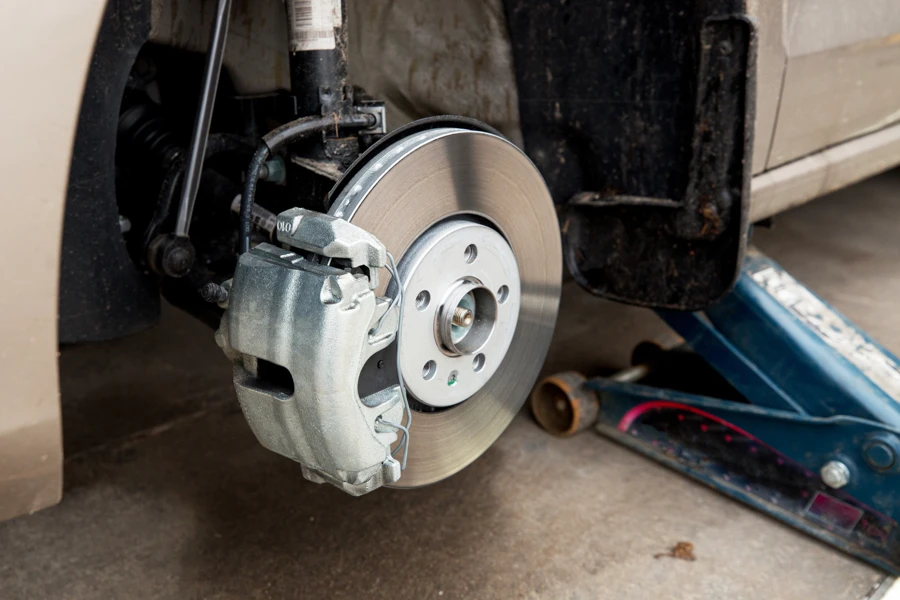
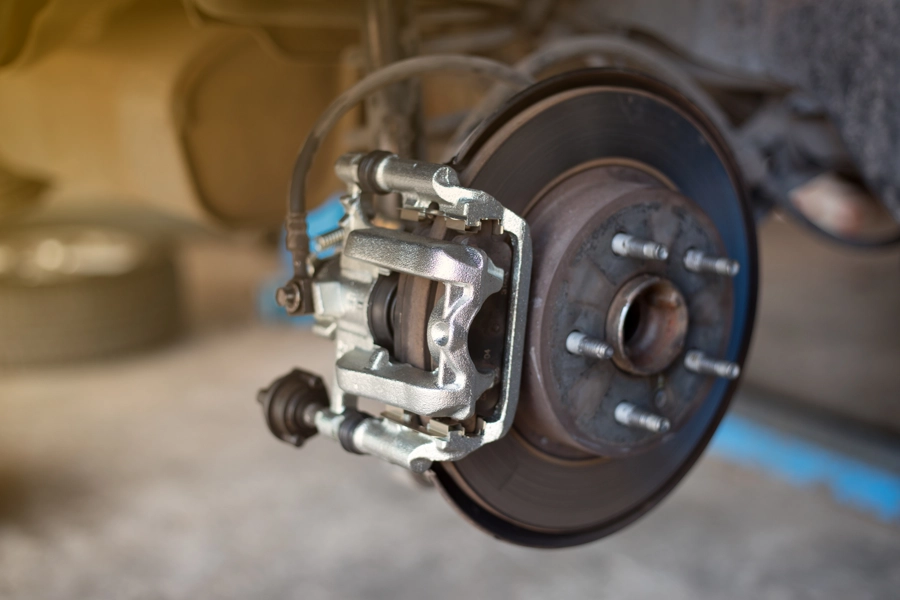
Regular brake pad replacement keeps your car safe, helps you stop faster, and prevents costly damage. Brake pads press against the rotors to slow your wheels. Over time, they wear down. If you wait too long, your car will not stop as it should. That can lead to longer stopping distance, shaking in the steering wheel, and damage to other brake parts. Staying on a simple schedule protects both your safety and your wallet.
Why Prevention Matters
Brake pads are made to wear out. They take the heat and friction every time you press the pedal. That is their job. But when they get too thin, the metal backing can grind against the rotor. This can warp the rotor and raise repair costs fast.
Regular brake pad replacement keeps your braking system working the way it was designed. It also:
- Improves stopping power
- Keeps brake noise low
- Reduces strain on rotors and calipers
- Makes driving feel smooth and stable
Think of it like changing running shoes. Once the soles wear down, you feel every step. Your car feels the same way when pads are worn.
Early Warning Signs
Your vehicle often gives clear signs that it needs brake pad replacement. The key is not to ignore them. Watch and listen for:
- Squeaking or squealing sounds when braking
- Grinding noise from the wheels
- Longer stopping distance
- A brake warning light on the dashboard
- Vibration when pressing the brake pedal
Squeaking usually means the pads are getting thin. Grinding often means they are worn out. At that point, the rotors may already be at risk. Acting early keeps repairs simple and lower in cost.
Seasonal or Routine Checklist
It helps to check your brakes at set times during the year. Many drivers pair brake checks with tire rotation or oil changes. Here is a simple routine guide:
- Inspect brake pads every 10,000 to 15,000 miles.
- Measure pad thickness during routine service.
- Listen for new noises after long trips.
- Check brake fluid level twice a year.
- Schedule a full brake inspection once a year.
If you drive in heavy traffic, tow loads, or travel down steep hills often, your pads may wear faster. Short city trips with lots of stop-and-go driving also increase wear.
Best Practices for Long-Term Results
Good driving habits can extend the life of your brake pads. Smooth and steady braking helps a lot. Try to:
- Leave space between you and the car ahead
- Avoid sudden hard stops when possible
- Coast toward red lights instead of racing to them
- Reduce extra weight in your vehicle
Quality parts also matter. Not all brake pads are made the same. Ceramic, semi-metallic, and organic pads each have pros and cons. A trained technician can help match the right type to your driving style.
Keeping up with general auto repair and routine maintenance also supports your braking system. When other parts of the vehicle are in good shape, your brakes do not have to work harder than they should.
What Not to Do
Some drivers delay brake pad replacement because the car still stops. That can be risky. Waiting until you hear grinding often means extra damage has already happened.
Avoid these common mistakes:
- Ignoring small noises
- Replacing only one side
- Choosing the cheapest pads without advice
- Skipping rotor inspection during pad changes
Brake parts work together as a system. Changing pads without checking the rotors or calipers can lead to uneven wear and repeat issues.
When to Schedule Professional Help
If you are unsure about pad thickness, it is time for a check. Most brake pads start around 10 to 12 millimeters thick. When they reach about 3 millimeters, replacement is usually needed.
A professional inspection includes:
- Measuring pad thickness
- Checking rotor surface condition
- Inspecting brake fluid
- Looking at calipers and brake lines
This full check gives a clear picture of your braking system. Regular brake pad replacement as part of a maintenance plan keeps your car reliable day after day.
Protect Your Safety on the Road
Drivers in Upland, CA face daily traffic, sudden stops, and changing road conditions. At Pierre's Auto Clinic, we help drivers stay safe with routine inspections and expert brake pad replacement. Our team checks the full brake system and recommends the right service for your vehicle. Call us at (909) 920-9499 to schedule an appointment and let us help keep your car stopping smoothly and safely.