Fresh Pads Help Your Car Stop Faster and More Smoothly
Brake pad replacement enhances road safety by helping your car stop quickly, smoothly, and in control. Worn brake pads take longer to stop your vehicle. That extra time can mean the difference between a close call and a crash. New pads grip the brake rotors better. This gives you strong braking power when you need it most, whether you are in traffic or driving at highway speeds.
Why Good Brakes Matter Every Day
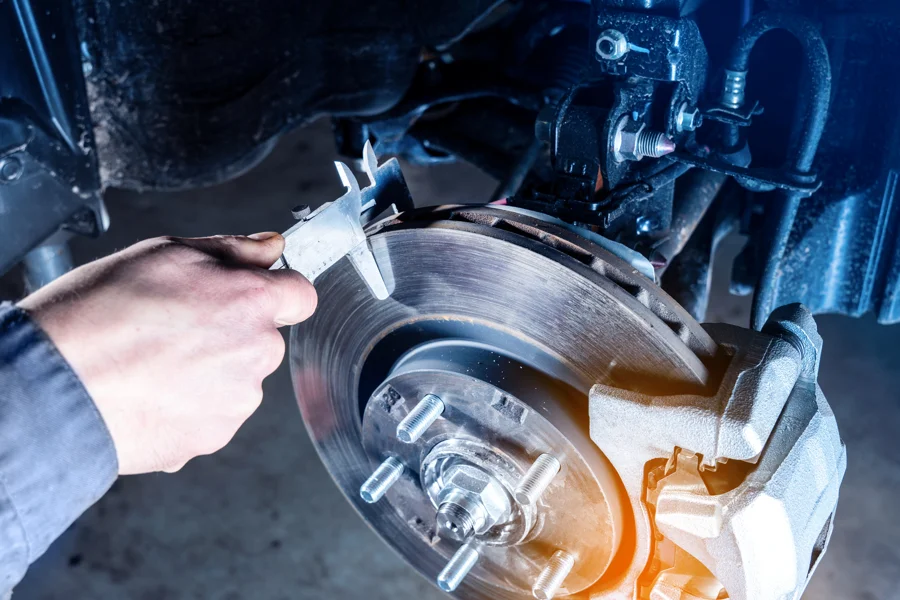
Your brakes work every time you slow down. In busy areas like Upland, CA, that can be dozens of times in one short trip. Brake pads press against the rotors to create friction. That friction slows your wheels.
When brake pads wear down, they lose thickness. Thin pads cannot grip as well. You may notice longer stopping distances. You may also hear squealing or grinding. Brake pad replacement restores the padding needed for strong, steady stops.
What You Need Before Replacing Brake Pads
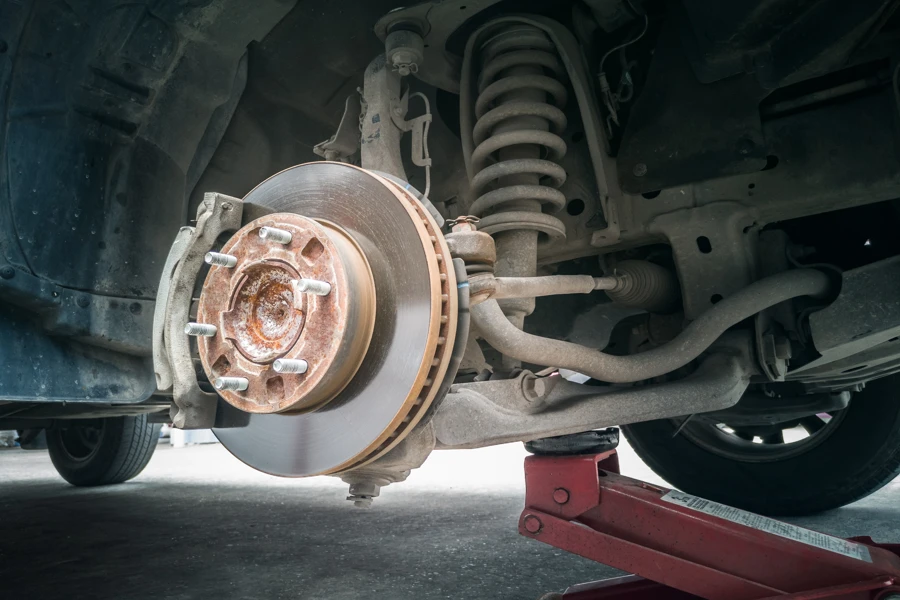
Before starting a brake pad replacement, you need the right tools and parts. Having everything ready makes the job safer and smoother.
- New brake pads that match your vehicle
- Jack and jack stands
- Lug wrench
- Socket set
- C-clamp or brake caliper tool
- Brake cleaner and gloves
If you are not comfortable lifting a vehicle or working near brake parts, it is safer to let a trained technician handle the service.
Step-by-Step Overview of Brake Pad Replacement
Here is a simple overview of how brake pad replacement is done:
- Park on a flat surface and set the parking brake.
- Loosen the lug nuts before lifting the car.
- Raise the vehicle and secure it with jack stands.
- Remove the wheel to access the brake assembly.
- Unbolt the brake caliper and slide it off the rotor.
- Remove the old brake pads.
- Use a C-clamp to push the caliper piston back.
- Install the new brake pads in place.
- Reattach the caliper and wheel.
- Lower the car and tighten the lug nuts fully.
After installation, pump the brake pedal a few times before driving. This resets the caliper and helps the pads seat correctly.
Common Mistakes to Avoid
Brake work can affect your safety. Small mistakes can lead to big problems.
- Not tightening bolts to the correct level
- Forgetting to pump the brake pedal before driving
- Skipping inspection of rotors for damage
- Using the wrong type of brake pads
Driving with loose parts or damaged rotors can reduce braking power. If rotors are warped or worn, they may need service along with the pads.
When to Call a Professional
Some drivers like to handle basic car care. Others prefer expert help. You should call a professional if:
- You hear grinding noises when braking
- The brake pedal feels soft or sinks down
- Your steering wheel shakes when you stop
- You see a brake warning light on your dashboard
Brake systems are complex. A trained technician can inspect the entire system, not just the pads. They can check calipers, rotors, and brake fluid at the same time. This full check helps keep your stopping power strong and steady.
Final Recommendation and Next Steps
If your car takes longer to stop or your brakes make noise, it may be time for brake pad replacement. Drivers in Upland, CA deal with daily traffic, sudden stops, and changing road conditions. We handle brake pad replacement services that help restore safe stopping power. At Pierre's Auto Clinic, our team checks the full brake system so nothing gets missed. Call us at (909) 920-9499 to schedule service or ask questions about your vehicle’s brake needs.